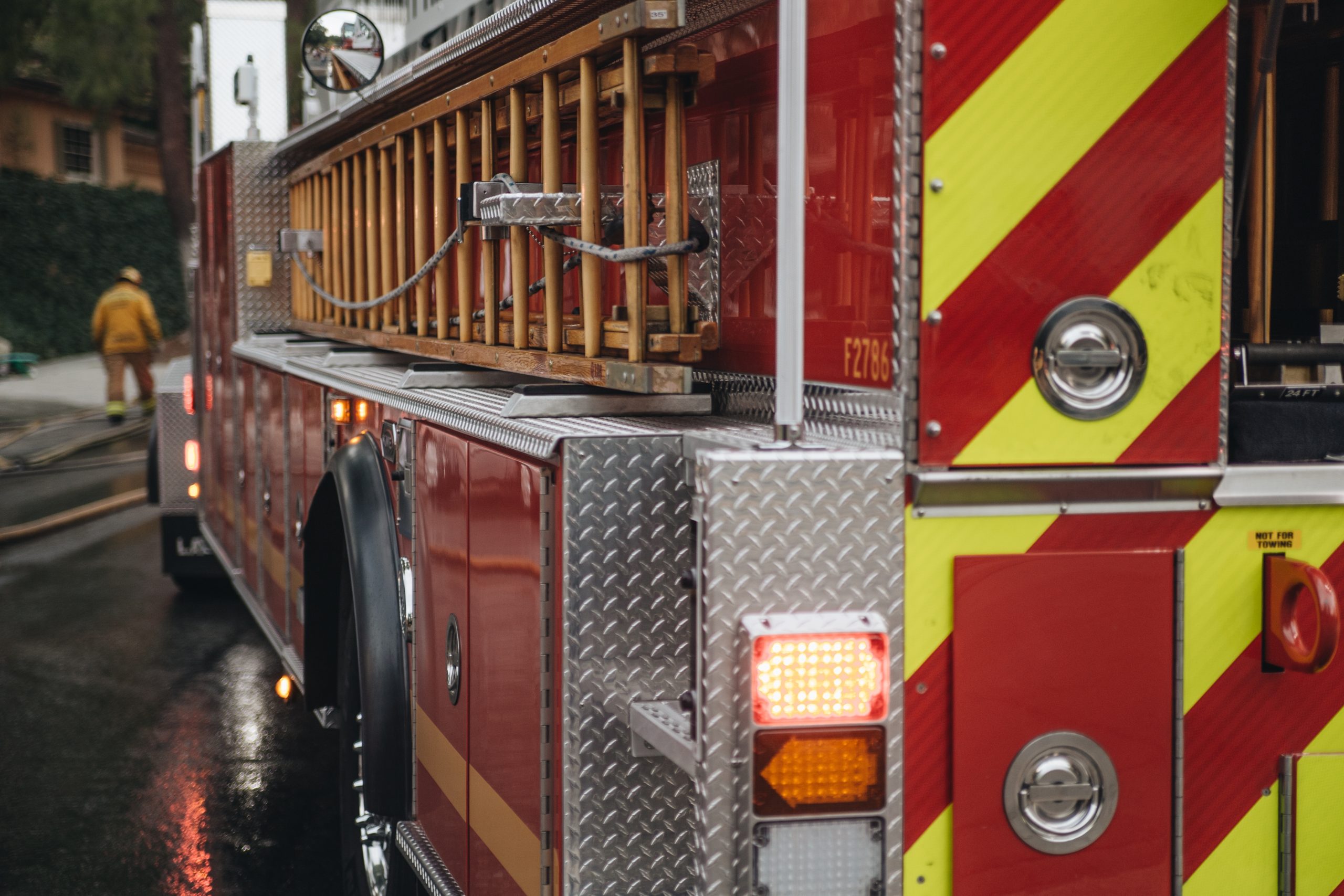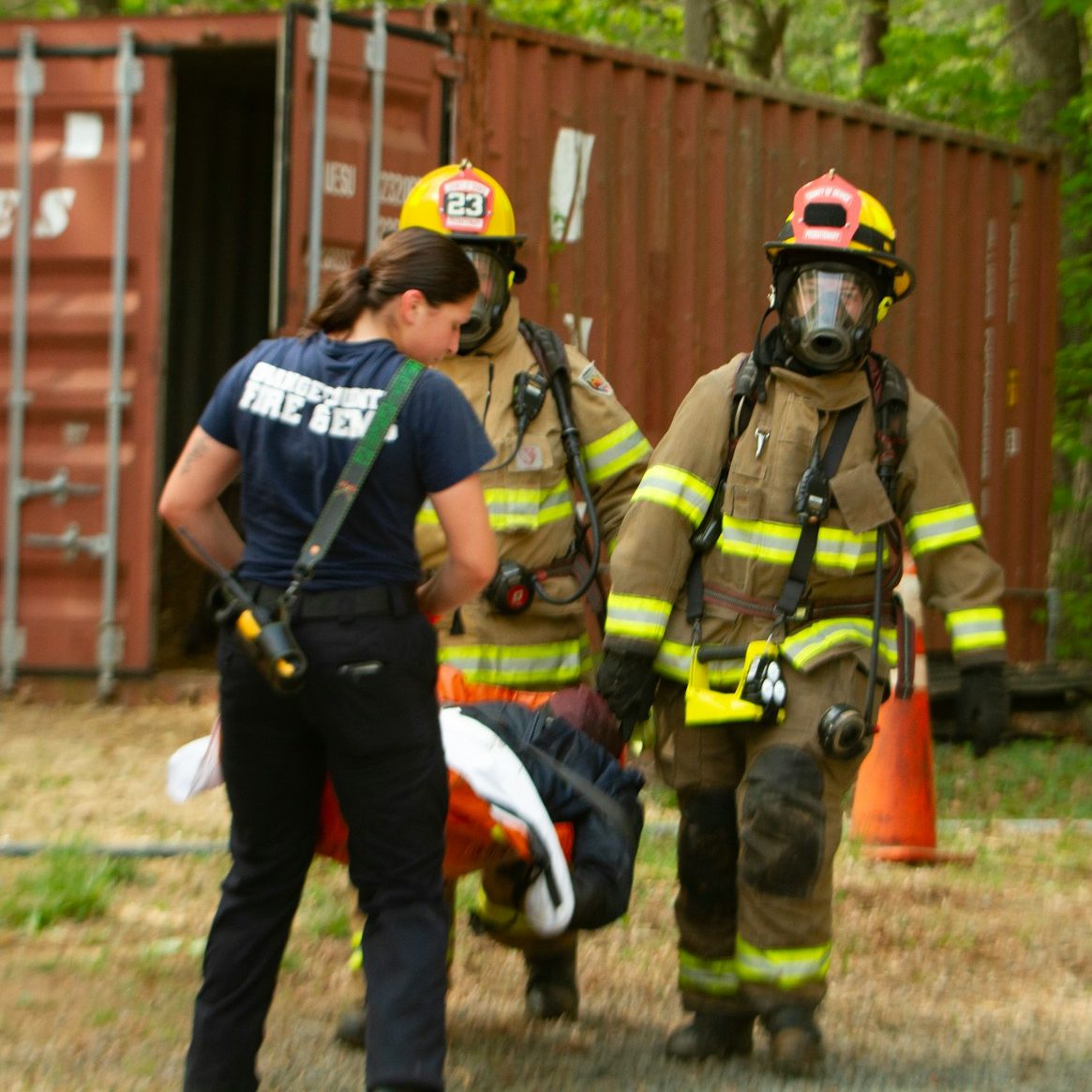
When something goes wrong, you’re the person friends and neighbors count on. Reese Volunteer Fire Company wants to make that instinct official, because the department is built on people who step up for their community. Nationally, 62 percent of firefighters are volunteers, according to the National Volunteer Fire Council. In Carroll County, that means real crews—neighbors—showing up first to fires, wrecks, and medical calls. This guide explains what it takes to join Reese, from your first application to the day you’re certified to ride.
You don’t need any firefighting or EMS experience to begin—just the willingness to show up and to keep showing up when training gets tough.
Who Can Join Reese as a Volunteer
Anyone age 16 or older who lives in our coverage area can apply, as long as they pass a background check and provide valid identification. Indeed, Reese keeps its entry requirements simple on purpose. The department is looking for people ready to commit and grow into the role, not those who already know the job. Five stages follow, detailed below, each designed to reveal whether you’re the kind of person willing to see it through.
Basic Requirements to Get Started
Before you apply, here’s what we verify for every candidate:
- Be 16 or older
- Live in Reese’s coverage area
- Pass a background check
- Carry valid ID
- Complete a physical exam, if applying to ride
This physical requirement is in place because riding members respond directly to calls, sometimes within minutes. No one is placed on an apparatus until the department confirms they’re medically fit for the demands of emergency response.
No Firefighting or EMS Experience Required
Applicants do not need previous firefighting or EMS experience—Reese stands by that for every new member. Certification comes only after you’re accepted into the department. The application is designed to assess your willingness to commit to months of training, not your current skill set. That distinction matters, because commitment is harder to teach than any technical skill covered in training.
What the Application Process Looks Like
The process for joining Reese involves five stages, and you can be declined at any step. Some requirements come from Carroll County and apply to all departments; others are unique to Reese, allowing the team to get to know you before you join members on real calls.
From Application to Membership Vote
Here’s what the process looks like, straight from our Recruit Guide:
- You print and submit your application, then watch your email for next steps
- You complete the background check Carroll County requires of every applicant
- You sit down for an interview at the station
- Your recruit packet goes before the Board of Directors
- Your packet goes before the full membership for a formal vote
That final vote by the full membership is what brings you into the department, not the application on its own. Until the vote happens, you remain a candidate. The membership takes that decision seriously, since these are the people who’ll be relying on you on a real call.
Becoming a Probationary Member
Once the membership votes you in, you become a Probationary Member, and that’s where the real work begins. If you’re joining as operational personnel, meaning you’ll respond to calls directly, you’ll need to pass a physical before you’re authorized to ride. Probation is the stretch where you show up for drills, BINGO nights, and everything else on the schedule. That’s where you earn, in practice, the trust that vote just extended to you on paper.
What Happens at New Member Orientation
Orientation typically takes place on a Thursday BINGO night, when the hall is full of members running the games. The department has plenty of people present to guide you through the onboarding process. This approach reflects Reese’s mission: protecting life and property through trained, ready volunteers. Orientation is practical, focused on paperwork and introductions rather than ceremony. You’ll complete your LOSAP paperwork and get paired with a buddy who has already been through your next steps. By the end of the night, you’ll know exactly what’s ahead in the coming weeks.
Getting Paired with a Buddy
Every new member is paired with an experienced volunteer who’s been through it all before. Your buddy remembers what it’s like to be new to this level of responsibility and is there to answer questions—on calls, at drills, or when training materials feel overwhelming. The buddy system exists because fire service relies on passing knowledge from one generation to the next. Every member at Reese once felt that same uncertainty, and that’s why the tradition continues.
Getting Ready to Ride
If you’re joining to ride, orientation is also where the practical steps toward getting you on an apparatus begin moving. You’ll be issued an ePin and a FEMA Student Identification number. Your physical gets scheduled before you’re authorized to respond to a single call or sit in a single class. Members who arrive already qualified or certified through another department go through a modified version of this process. Some of what orientation normally covers, they’ve already completed at a previous department.
The Certification Training You’ll Complete
Reese trains volunteers to the same standards that Carroll County requires for every emergency response. Training divides into two main tracks based on your chosen path. Both tracks result in state-recognized certifications—not just in-house credentials—and the department covers the full cost of your training.
| Certification | Hours | Additional Training | FEMA Courses |
|---|---|---|---|
| Firefighter I | 135 | 45 hrs Hazmat Operations | IS-100, IS-200, IS-700, IS-800 |
| EMT | 208 | 9 hrs Hazmat Awareness | IS-100, IS-200, IS-700, IS-800 |
Firefighter I Training
Firefighter I training is a significant time commitment, stretching over several months. It’s the foundation for everything in suppression work. Every stage is conducted through MFRI, Maryland’s statewide certification body. Every riding member also completes an annual medical physical to remain current. Additional classes, specialty certifications, and advanced coursework come at no cost to you.
EMT Training
EMT training runs for 208 hours, plus 9 hours of Hazmat Awareness and the same four FEMA courses required for Firefighter I. It’s the path for members who want to answer medical calls, and it carries the certification standard MIEMSS sets statewide. Like Firefighter I, every hour of it comes at no cost to you.
Ready to Begin Your Journey with Reese
Departments nationwide are seeing volunteer numbers decline even as call volume keeps climbing. That’s why training doesn’t stop the day you’re certified. In November 2025, Reese firefighters trained alongside crews from Hampstead, Manchester, Westminster, and Lineboro at the Carroll County Public Safety Training Center. That kind of countywide training shows the department keeps sharpening its abilities as a team, long after anyone’s first certification. From there, the advancement pathway keeps going, all of it running through MFRI:
- EMS track: IV Technician, EVOC, Paramedic, EMS Officer
- Suppression track: Firefighter II, III, and IV, Hazmat Technician, EVOC, Pump Operator, Fire Officer, Safety Officer, Rescue Technician
If you’re 16 or older, live in the area, and you’re ready to be the person your neighbors call, reach out to Reese. Email reesevfc.recruit@gmail.com or visit the Get Involved page. Ask for Chief Wooden and tell him you’re calling about the volunteer application. He’ll walk you through what happens next.