Are you looking to serve your community, push your limits, and be part of something bigger than yourself? Becoming a volunteer firefighter is one of the most rewarding ways to protect your neighbors. Along the way, you gain a second family at the firehouse.
Mastering life-saving skills and finding real personal purpose both come from stepping up to the call. Those benefits transform your community as much as they transform you.
While the rewards are universal, the path to earning your turnout gear begins right in your own backyard. It starts with dedicated neighbors like the Reese & Community Volunteer Fire Company in Carroll County. Reese’s calls span fire, vehicle collisions, home accidents, sudden illness, and natural disasters, so no two shifts look quite the same. Meeting the qualifications below is what puts you in position to answer any of them.
What Are Maryland’s Basic Eligibility Requirements?
Every Maryland department sets its own specifics, but the requirements are similar statewide. Age, residency, a background check, and a physical are the four gates every applicant walks through before training starts.
Age and Residency Basics
Reese runs two membership tracks depending on age.
| Membership Track | Age | What It Involves |
|---|---|---|
| Junior Firefighter Program | 12 to 15 | Age-appropriate training and non-hazardous roles |
| Regular Volunteer Member | 16 and up | Full training path, live calls, standby shifts |
The 16-and-up threshold at Reese is younger than the 18-and-up standard most Maryland departments use for full membership. The split exists for a reason. Junior members build real familiarity with the company years before they’re old enough to take on hazardous work. By the time they can apply as regular volunteers, the shift barely feels like one.
Residency works a little differently depending on which track you’re on. Adult volunteers need to live in the area. Junior Firefighter Program applicants face an added rule. They must live or work within a set distance of Station 9, though Reese hasn’t published the exact mileage.
The Application and Background Check
The process itself is straightforward.
- Fill out a membership application
- Clear a background check
- Sit for an interview
- Pass a physical exam before riding
None of it is a formality. The background check comes first for a reason. That trust matters most when you’re walking into someone’s home on their worst day. It’s a stranger they didn’t choose but now have to rely on. The physical, required before you ride any apparatus, confirms you can handle the job’s demands before you’re relying on that capability during a real call.
None of it requires firefighting experience going in. All fourteen volunteer and combination fire companies across Carroll County, including Reese, recruit under the same standard. No prior experience is required, and every step of the training happens after you’re accepted.
What Does Volunteer Firefighter Training Involve?
Every new volunteer works through certified coursework before taking on live calls, covered step by step below. It’s built and paced by people who know exactly what a new volunteer needs before their first real call.
What the Training Program Covers
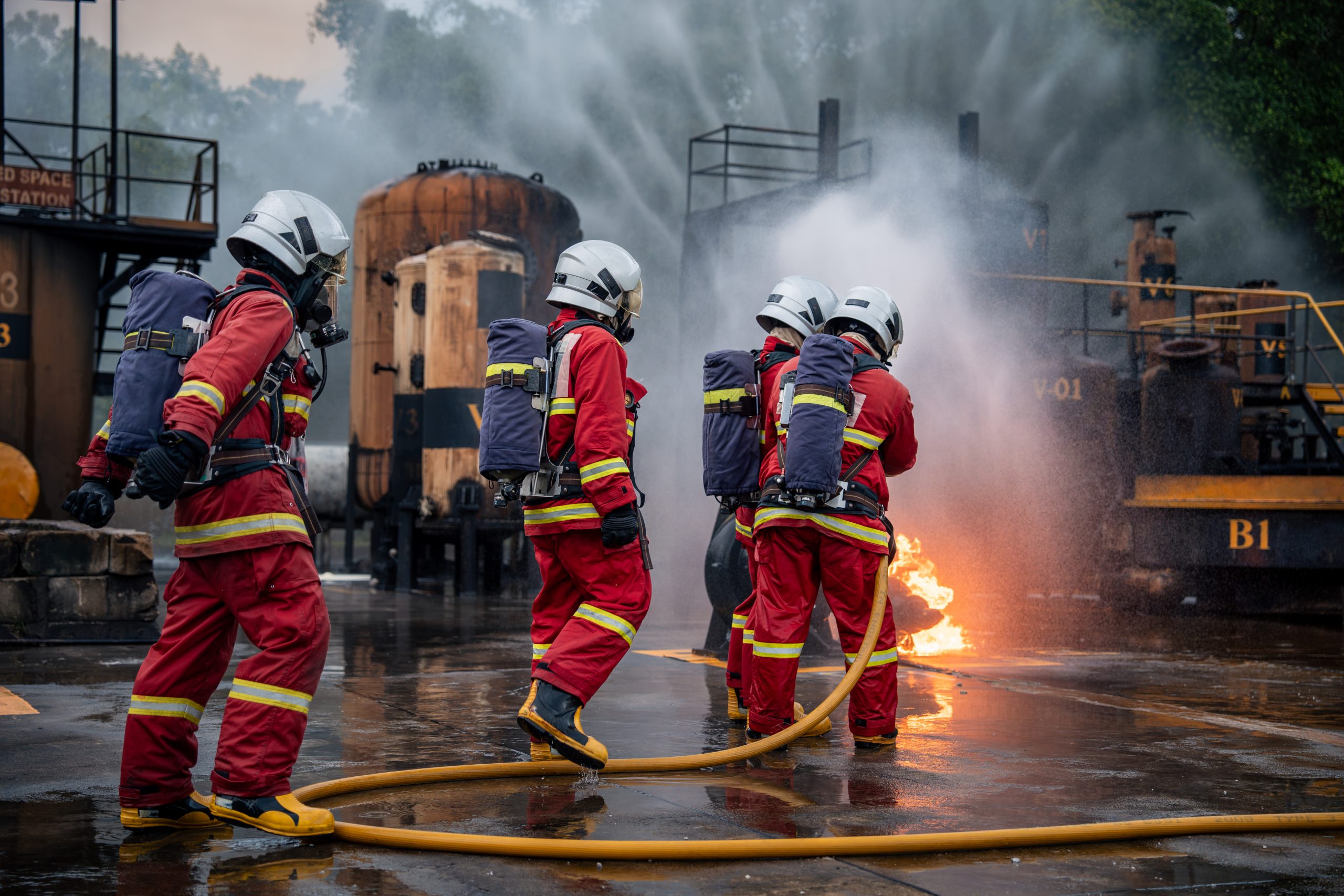
New volunteers move through certified coursework covering fire behavior, hose and ladder operations, and forcible entry, along with safety protocols and scene control basics. Training is state-funded, so it costs you nothing but time.
Members who want to add EMS response can pursue EMT certification the same way, at no cost. It’s worth taking seriously rather than treating as a minor add-on. Reese is a combination department that runs both fire and medical calls, so EMT training rounds out what a volunteer is prepared to handle on any given shift.
The core training path covers:
- Firefighter fundamentals and live-fire safety procedures
- Deploying hose lines, raising ladders, and forcing entry
- Hands-on vehicle extrication and rescue basics
- For members pursuing EMS response, optional EMT certification at no cost
The Time Commitment in Your First Year
A first year at Reese runs 300 to 400 hours once training, drills, and standby shifts are added up. Most of that lands in the first several months, while you’re working through certification, and it settles into a steadier rhythm once that’s behind you. You’re paired with people who remember exactly what their own first year felt like.
What Makes a Strong Fit for Reese VFD?
Meeting Maryland’s requirements gets you in the door. Fitting well at Reese comes down to something simpler than paperwork. Do you show up, and do you keep showing up?
What Reese Looks for Beyond the Minimum Requirements
Reese was chartered in 1948, and the Reese Carnival it launched a year later has run every summer since. That kind of run says something about a company that doesn’t come and go, and it comes from consistency, not a single burst of enthusiasm.
Members treat a quiet Tuesday standby shift with the same seriousness as an active call. Fire Chief Andrew “Woody” Wooden leads that standard today. Lori Davidson-Bell, elected the company’s first woman President in December 2024, shows how far that kind of consistency can take you. No experience or training is required to apply. What matters most is a willingness to commit to the process and stay with it, long after the initial excitement of joining wears off.
Ongoing Support as You Train
You won’t have to figure this out alone. New members train alongside firefighters and EMS staff who’ve been through the same certification path. Reese also runs its volunteer and career staff on the same shifts. That means you’re learning inside a team that’s already on the clock every day of the year, not shadowing from the sidelines.
You’re also joining a wider system. Reese is one of fourteen volunteer and combination companies operating under Carroll County’s coordinated Fire and EMS network. That network means backup, mutual aid, and shared training resources extend well past Station 9’s own roster.
And the commitment pays you back over time. Maryland volunteers who log enough points each year, for three years running, become eligible for LOSAP, a Maryland state income tax credit that rewards long-term volunteer service. That’s on top of the training and certifications you earn for free along the way.
Ready to Answer the Call?
Every current member at Reese started exactly where you are now, weighing the same decision. The requirements are clear, the training costs you nothing but time, and no experience is expected on day one. What Reese needs is someone willing to say yes.
Visit Get Involved to start the process, call or email at 410-848-7172 or info@reesevfc.org, or send a note through Reese’s contact page. Reese has protected this community for more than 75 years, and the next 75 depend on who says yes now.