“Who’s on that truck, and are they paid?” is a fair question when a fire truck goes by. The answer depends on whether the company behind it is a volunteer, career, or combination fire company. Those three staffing models differ at one moment, when a 911 call comes in and the alert goes out. That’s the difference between volunteer and career fire companies. For a neighbor, that’s the plainest way to understand the company in town.
What Happens After Someone Calls 911
A dispatcher picks up when someone dials 911. The dispatcher then sends an alert to the fire company, and the company passes it to its members. Depending on how it’s staffed, the company can send that alert to career staff, volunteers, or both. How that alert arrives depends on the locality. The National Volunteer Fire Council lists phones, computers, pagers, radios, and a live person as possibilities.
Not every emergency is a fire. The National Fire Protection Association (NFPA) writes the staffing standards that FEMA cites for fire companies. Those standards cover fire suppression, emergency medical operations, and special operations. Whatever the emergency, you dial the same three digits, and the dispatcher handles what comes next.
How Volunteer, Career and Combination Fire Companies Staff a Call
The U.S. Fire Administration (USFA) keeps a national registry of fire companies. It sorts them by the share of firefighters who are career, using definitions from the NFPA. Registration is voluntary. The registry doesn’t include every fire department in the country. Four categories line up with the three models like this:
| Model | USFA definition | Who gets the alert |
|---|---|---|
| Career | 100 percent of the firefighters are career | Career firefighters |
| Volunteer | 100 percent of the firefighters are volunteer | Volunteer members |
| Combination | Mostly career (51 to 99 percent career) or mostly volunteer (1 to 50 percent career) | Paid and volunteer members |
Career Fire Companies
A career company’s roster is all paid staff, so they’re the only ones who answer the alert. No one on that roster is a volunteer. The USFA counts a company as career only when every one of its firefighters is a career firefighter.
Volunteer Fire Companies
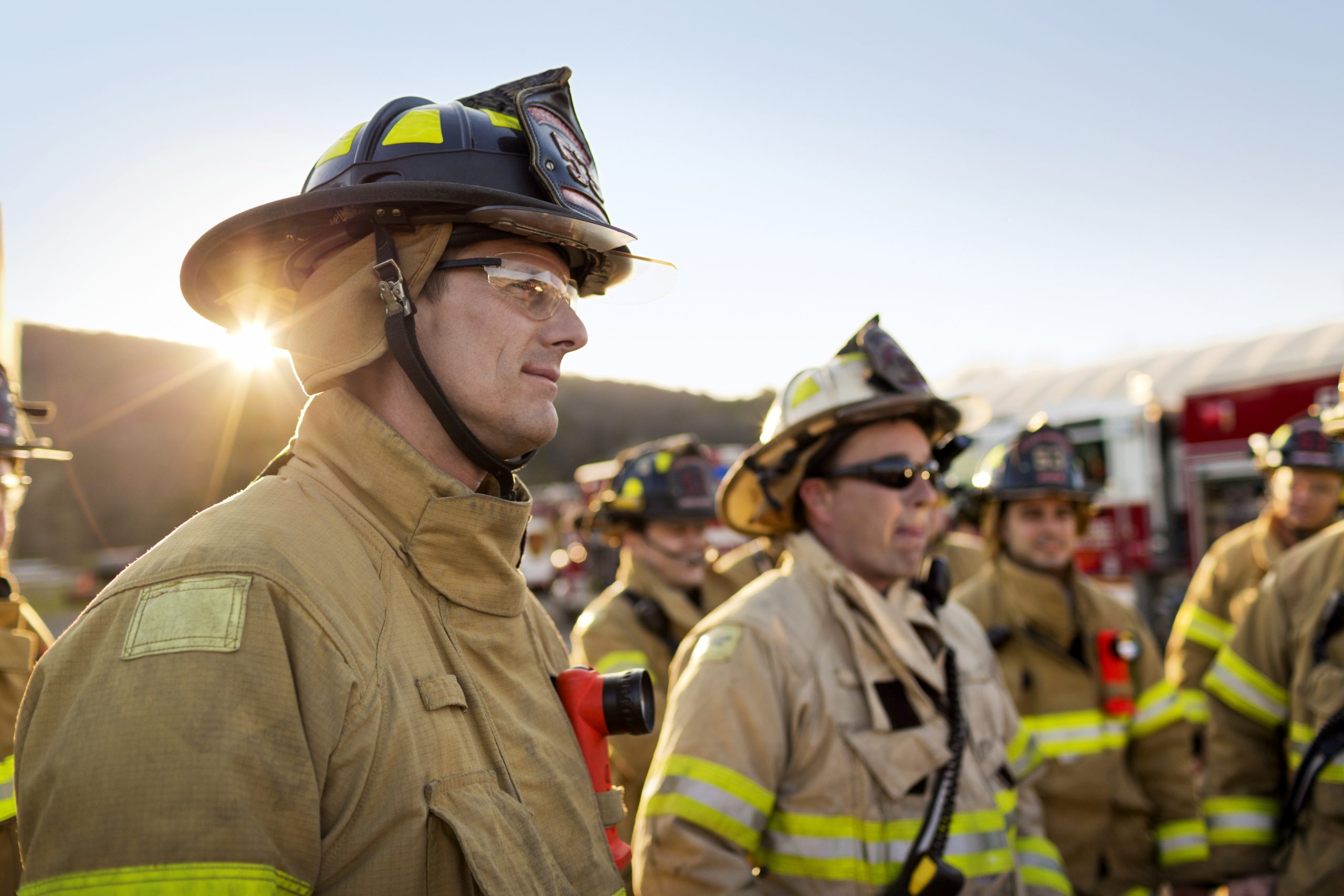
A volunteer company needs every firefighter to be a volunteer. Members who serve without pay run it, and each one gets notified through the company’s own system. The method depends on the locality, so two companies can notify their people in different ways. Some pay members a stipend for each call they answer, and the USFA counts these paid-per-call firefighters as a separate group. Anyone who’s thinking about joining can start with a guide to becoming a volunteer firefighter in Maryland, which covers the requirements. Training includes fire behavior and hose and ladder operations.
Combination Fire Companies
Career firefighters and volunteers share one roster at a combination company, so both groups can be notified. FEMA’s definition calls only for a department with both paid and volunteer firefighting personnel, so the proportions vary from one town to the next. The USFA has no combination category. Instead, it files each one by the share that is career.
Say a company has 40 firefighters and 10 of them are career. That’s 25 percent career, so the USFA files it as mostly volunteer even though paid staff are on the roster. Say another company has 30 career firefighters out of 40. That’s 75 percent, and the label is mostly career. Across the registry, the career share of a mixed company can fall anywhere from 1 to 99 percent.
Under FEMA’s SAFER staffing grants, a department with both groups chooses between two NFPA standards:
- NFPA 1710 primarily covers career departments, and mixed departments may opt in.
- NFPA 1720 primarily covers volunteer departments and applies to mixed departments that don’t follow 1710.
Why Many Fire Companies Mix Volunteer and Career Members
Calls come at any hour of the day or night, and some arrive during family events. A company needs someone ready for every one. A volunteer steps away from whatever else the day holds, and career members add a second group to reach.
FEMA’s SAFER grants include a recruitment and retention funding line that helps mixed departments bring in and keep volunteers. That funding is open to volunteer and combination departments, and career departments aren’t eligible.
Carroll County offers a local example. On October 1, 2020, the Board of County Commissioners passed Ordinance 2020-06 and established the county’s Department of Fire and Emergency Medical Services. The county’s own page calls that date the start of a transition to a combination career and volunteer system. By November 2022, all 14 volunteer fire companies had agreed to let county staff work in their stations. The department works in partnership with the Carroll County Volunteer Emergency Services Association. Its stated aim is to work alongside the volunteer companies. It also aims to strengthen each one through staffing and funding.
A March 2025 release from the department said the transition was continuing, with career and volunteer personnel running fire operations together. That release counts 16 paramedic ambulances staffed by career employees. Once a company has both paid and volunteer members, the next question is where a volunteer fits.
Where a Volunteer Fits in a Combination Company
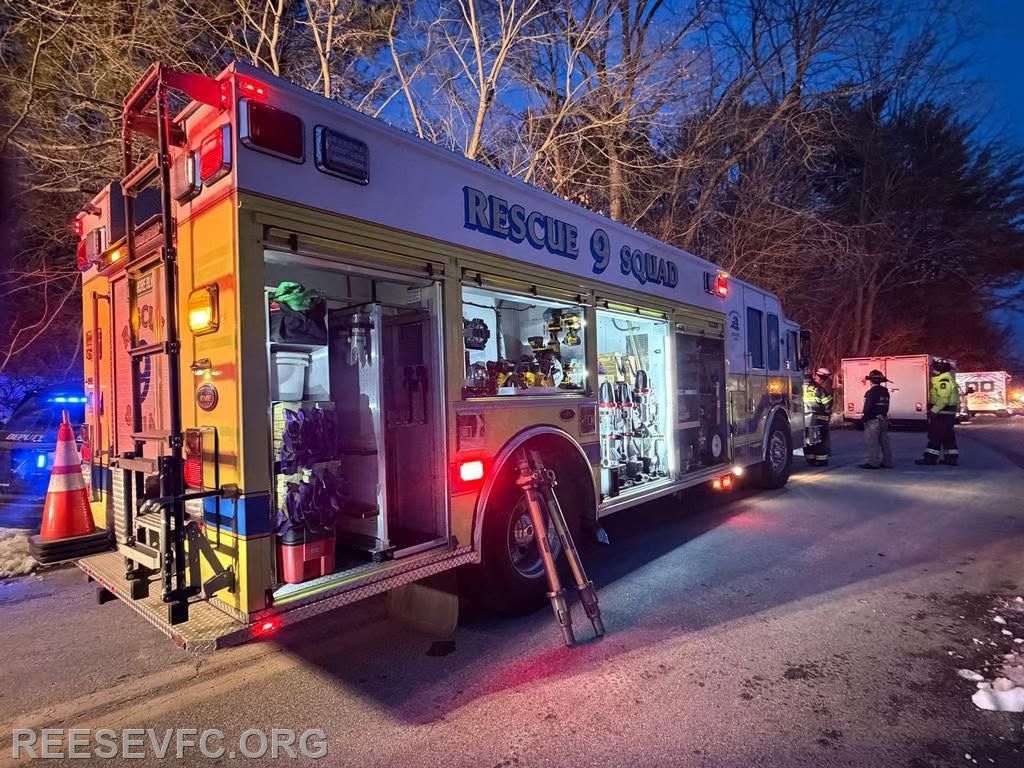
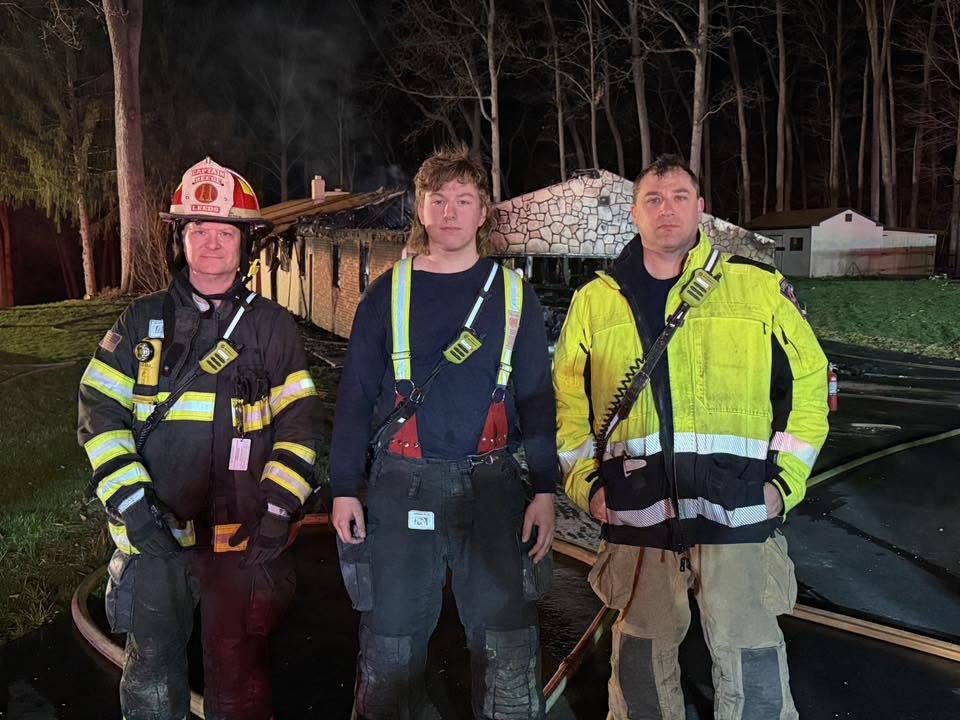
A volunteer works beside the career staff. Reese and Community Volunteer Fire Company, Carroll County Station 9 in Westminster, is a combination company where volunteers and career staff run the same shifts, and volunteers answer both fire and medical calls.
Carroll County describes a similar arrangement, with career employees working alongside volunteers in 13 of its 14 stations around the clock. A neighbor curious about how a local station runs day to day could ask a few things:
- What does training cover?
- How long is the training before a first call?
- Where does a new volunteer start?
- Do I need medical or fire experience before I apply?
- How do paid and volunteer members share a shift?
- How many hours a week does a volunteer give?
- Can I volunteer if I have a day job?
- What does a first week look like?
- What happens after I apply?
To see the steps from application to membership, read about joining Reese as a volunteer firefighter. The people who work the shifts can answer the rest.
Ask Reese How a Volunteer Fits
You don’t need to be ready to apply to stop by and ask how things work. Questions about training, shifts or the time commitment are welcome at Reese. The easiest start is a conversation with the Reese team. A first conversation doesn’t commit you to anything.