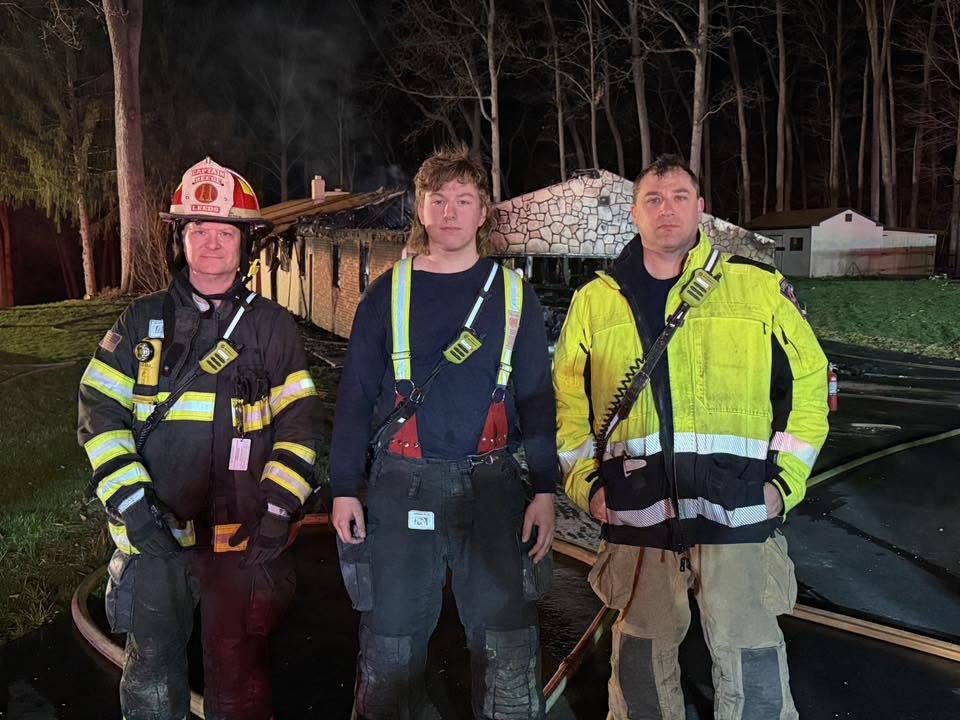
Most people who wonder about this have already checked their calendar. The week is full and the evenings are spoken for. The fire company feels like something you should have joined at 20. Reese and Community Volunteer Fire Company doesn’t publish a separate process for a volunteer firefighter over 40, so you’d go through the same one as everyone else. The hours are the real question. Reese is straight with you about them.
Is There an Age Limit at Reese?
Regular membership starts at 16, and nothing Reese has published sets a maximum. Twelve- to 15-year-olds join the Junior Firefighter Program instead, so the regular route you’d take is the same adult one everyone else uses. Whether the company keeps a limit of its own is a question for Reese to answer.
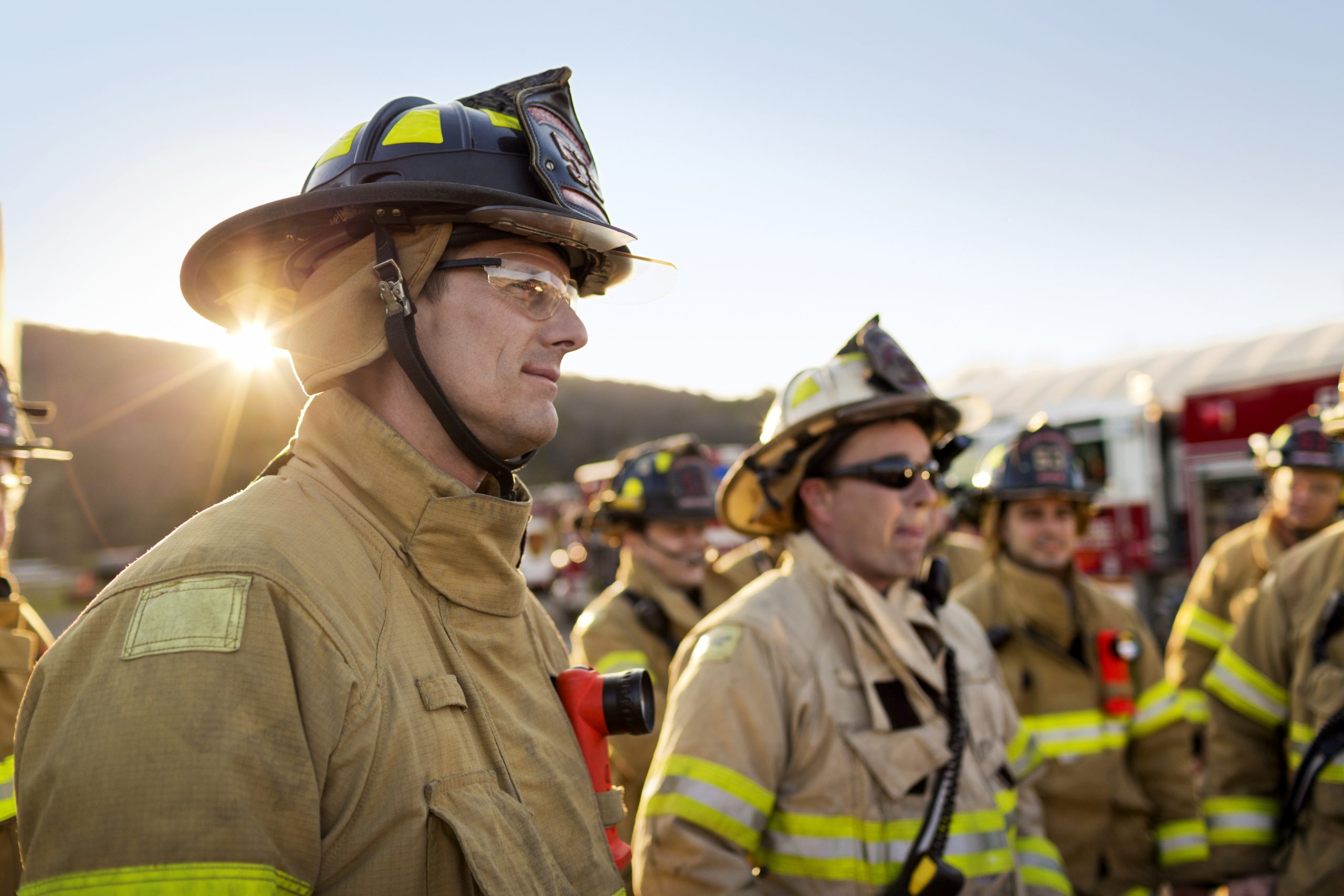
You wouldn’t be an oddity nationally. In communities under 2,500 people, the National Fire Protection Association’s 2020 profile puts 34% of firefighters at 50 or older. Another 20% are between 40 and 49. The National Volunteer Fire Council says volunteers are getting older and that departments struggle to attract younger members. Of the roughly 1,018,100 firefighters in the country, 635,100 are volunteers.
Age isn’t a stage anywhere in Reese’s published process.
What Does the First Year Ask of You?
Reese puts the first year at 300 to 400 hours once training, drills, and standby shifts are added up. Most of it lands in the first several months, while you’re working toward certification, which means it competes with everything else on your calendar. Reese says things settle into a steadier rhythm afterward, though it never promises the early months are light.
Training runs one of two ways. Firefighter I is the certification for fighting fires. It takes 135 hours plus 45 more on hazardous materials operations, stretched over several months. The coursework covers fire behavior, hose and ladder work, forcible entry, safety, and scene control. If you’d rather answer medical calls, the EMT path runs 208 hours plus 9 on hazardous materials awareness. Either way you add four FEMA courses, finish with a state-recognized certification, and pay nothing beyond your time.
Before any of that comes the physical. Reese gets you medically cleared before you answer a call or sit in a class. Riding members repeat it every year, which lines up with the National Volunteer Fire Council’s support for annual medical assessments. What the exam covers isn’t published. Neither is whether anything changes with age.
The company also meets on the first and third Tuesday of each month at 7:30 PM in the social hall. Non-members can’t sit in. Standby shifts count toward your hours, and members treat a quiet one as seriously as a busy call.
Certification isn’t the end of the road. Past it, Reese’s guide lists further tracks, from paramedic to fire officer, so a first year can be the start of something longer if you want it to be.
Block the hours before you apply, not after. Skip that step and the time comes out of sleep, family, or the certification itself.
How Does Joining Work?
Reese can say no at any of five stages, and each one exists for a reason. Adult volunteers live in Reese’s coverage area, so confirm your address is inside it before you start, and bring valid ID.
- Submit a printed application and watch your email for next steps.
- Clear the background check Carroll County requires of every applicant.
- Sit for an interview at the station.
- Let the Board of Directors review your recruit packet.
- Stand for a formal vote by the full membership, which is the stage that makes you a member.
The background check comes early because members end up inside people’s homes and have to be trusted there. Certification classes start after the vote, not before. Orientation usually lands on a Thursday BINGO night. The social hall is busy when you walk in for the first time, and plenty of people are around to walk you through the paperwork. After that you’re a probationary member. That means drills, BINGO nights, and the rest of the schedule while you earn the trust the vote extended. A buddy who’s been through it all helps you through the early weeks.
Reese’s guide to becoming a volunteer firefighter in Maryland lists the full requirements, and its guide to joining as a volunteer firefighter walks through each stage.
Which Work Skills Carry Over for a Volunteer Firefighter Over 40?
Reese’s guides keep coming back to one question. Will you show up, and keep showing up? The guide says commitment is harder to teach than any technical skill. Years of holding down a work schedule are practice at exactly that kind of commitment, week after week. Trust is the second piece. Taking direction is the third, and Reese pairs every new member with a buddy who’s been through it, so nobody starts alone. A long record of being relied on counts for something when the background check arrives. You also know what it’s like to be the newest person in the room.
None of it replaces a single training hour. Reese publishes one formal credit, a modified process for people already certified at another fire company.
What Should You Ask Before You Apply?
Reese hasn’t published everything a late starter wants to know, so ask directly.
- Does the company set an upper age limit?
- What does the riding physical include, and does anything change after 40?
- What does a typical week look like for a new member in the first few months, beyond the Tuesday meetings?
- What’s the age mix of recent training classes?
Ready to Take the First Step?
Reese has protected this community for more than 75 years. The next 75 depend on neighbors who say yes now. If you’ve been turning the idea over for a while, send your questions through Reese’s contact page and get real answers from the people who run the process.