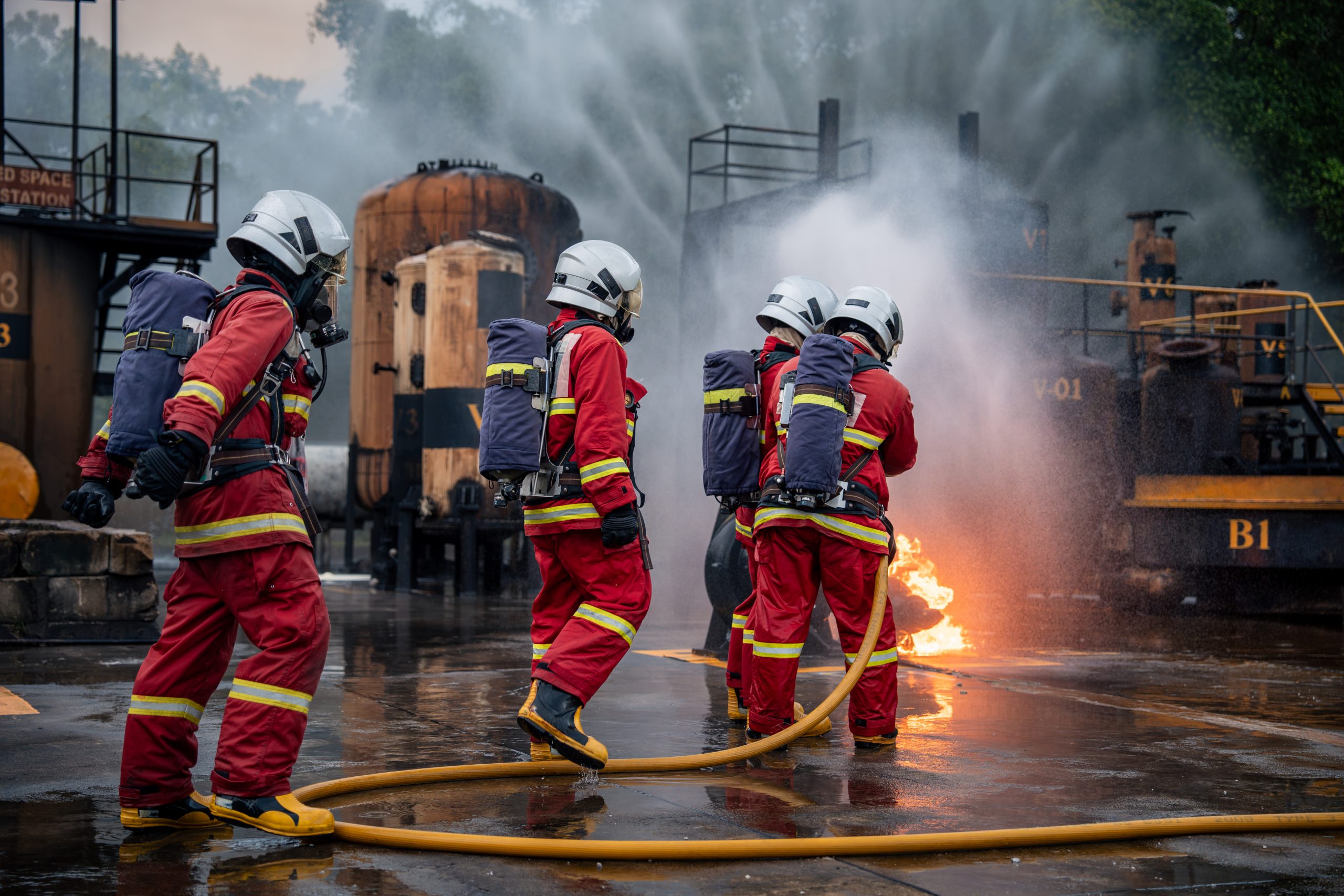
If your kid is curious about the fire service, Reese VFD’s Junior Firefighter Program offers a safe, structured look at the work. Juniors train alongside experienced members at Station 9 in Westminster and get a first look at both fire and emergency medical services (EMS). In return, Reese asks for monthly meetings and a 2.0 GPA.
Who Can Join Reese’s Junior Firefighter Program?
Kids from 12 through 15 can join if they meet the program’s attendance and grade requirements. Reese’s Get Involved page says the program is designed “to educate, mentor, and inspire the next generation of firefighters while providing a safe, positive environment for local youth.” The same page says participants gain hands-on training, leadership skills, teamwork experience, and chances to serve their community.
Nationally, volunteers make up 62 percent of firefighters in the United States, and the National Volunteer Fire Council reports their numbers reached a low of 635,100 in 2023. The National Volunteer Fire Council’s junior program page calls it crucial to attract people into emergency services while they are young, so they form a lifelong connection as a first responder or a community supporter. If your teen is 16 or older, Reese’s guide to joining as a volunteer firefighter covers the regular membership path.
What Do Juniors Do at Station 9?
Juniors train hands-on next to experienced Reese members, and an advisor guides them through each step. They study the fundamentals of firefighting in a safe, structured setting, and the training includes EMS alongside fire.
Four pillars shape the program, and they are leadership, character, teamwork, and community. Leadership and teamwork show up in the training itself. Juniors work beside members and with peers from departments across Carroll County. Character and community tie back to the program’s purpose, which is to prepare young people to protect their community one day. Station 9 answers calls for fires, vehicle collisions, home accidents, illness, and natural disasters. That’s the community Juniors are preparing to protect.
Families weighing safety can look to Reese’s own wording. Its recruitment post describes the Junior program as “age-appropriate training and non-hazardous roles.”
Recent county-wide training days put Reese Juniors side by side with young firefighters from across Carroll County. Reese says those days built skills, confidence, and connections beyond their own station.
What Does the Program Ask of Your Family?
Reese asks for a steady schedule and steady grades, and it provides the protective gear.
What Juniors Commit To
Every Junior commits to three things:
- Attending monthly meetings
- Maintaining a 2.0 GPA or higher, which is a C average on the standard four-point scale
- Submitting a report card each marking period, meaning each regular grading period at school
None of the three is a one-time task. Meetings come monthly, report cards come every marking period, and the GPA has to hold in between. That gives Reese a regular look at how school is going, and it keeps school part of the deal. Reese’s Get Involved page lists the same three requirements, so a family will see the same terms on the website.
Reese’s recruitment post says something similar about members in general. What matters most, it says, is “a willingness to commit to the process and stay with it, long after the initial excitement of joining wears off.” In practice, that means the habit worth building is to show up, and keep showing up.
What Reese Provides
Reese provides every piece of required protective gear, from the helmet and boots to gloves, safety glasses, and hearing protection. Reese includes the turnout coat and pants, the gear firefighters wear on calls. Nothing on the required list is left for a family to source.
What Do Juniors Gain?
Juniors gain hands-on training in fire and EMS, a resume entry, and friendships with fellow Juniors and firefighters. Reese also points to leadership, teamwork, and self-discipline, and says the resume entry stands out on college and job applications. The experience and confidence, Reese says, carry through life. Reese also describes the friendships as ties with kids who share the same drive to help others.
The National Volunteer Fire Council describes junior programs as a safe, controlled, educational way for young people to get to know local fire, rescue, and EMS organizations. It says they also build teamwork, leadership, responsibility, and commitment.
Service hours are on Reese’s list too, and they connect to a state rule. The Maryland State Department of Education sets a 75-hour service requirement for high school graduation. The state regulation describes it as “75 hours of student service that includes preparation, action, and reflection components.”
Ask your school before you count on it. Whether hours at Station 9 count toward Maryland’s 75-hour requirement is a question for your school.
What Happens When a Junior Turns 16?
Regular membership at Reese starts at 16, with full training, live calls, and standby shifts. Reese notes that its 16-and-up threshold is younger than the 18-and-up standard most Maryland departments use for full membership. Reese’s post on how to become a volunteer firefighter in Maryland puts a first year at 300 to 400 hours. The Junior years, ages 12 through 15, give a kid four years in the program before that commitment begins.
Reese’s joining guide lays out five stages for applicants 16 and older:
- Application
- Background check
- Station interview
- Board of Directors review
- Full membership vote
The last stage is a vote by the full membership. Applicants don’t need previous firefighting or EMS experience, and Reese provides all training at no cost to recruits. Firefighter I covers 135 hours plus 45 hours of hazardous materials (hazmat) operations. The EMT (emergency medical technician) track covers 208 hours plus 9 hours of hazmat awareness. Both tracks include four FEMA courses.
Riding an apparatus, the trucks and ambulances Reese runs, requires a physical exam first. Reese says the physical confirms a member can handle the job before anyone relies on them on a real call. Its post adds that members treat a quiet standby shift with the same seriousness as an active call.
Youth programs are a recognized way to bring in new firefighters. The U.S. Fire Administration’s 2024 Summit report says cadet and internship programs are used around the nation to recruit career and volunteer fire and EMS personnel.
Start the Conversation With Reese
The Junior Firefighter Program asks a family for monthly meetings and a steady GPA. It gives a kid hands-on fire and EMS training, protective gear, and a path toward regular membership at 16.
If you’re still working out whether the program fits your family, talk it over with the team at Station 9. Call 410-848-7172 or email info@reesevfc.org and ask about the Junior Firefighter Program. Station 9 is at 1745 Baltimore Blvd in Westminster. Reese has served this community since its 1948 charter. This program exists to prepare young people to protect that community one day.