You tested your smoke detector once, probably right after you moved in. That’s usually the only time it’s on your mind, until it starts chirping at two in the morning.
At Reese and Community Volunteer Fire Company, we answer apartment calls across Carroll County year-round, and the same gap shows up in nearly every one of them. Renters know they should have a working smoke alarm. Fewer know what Maryland law requires of them in return, or what happens when a landlord ignores a reported problem. This guide covers all three, plus how to build an escape plan for apartment living instead of a single-family home.
What Does Maryland Law Require Your Landlord to Provide?
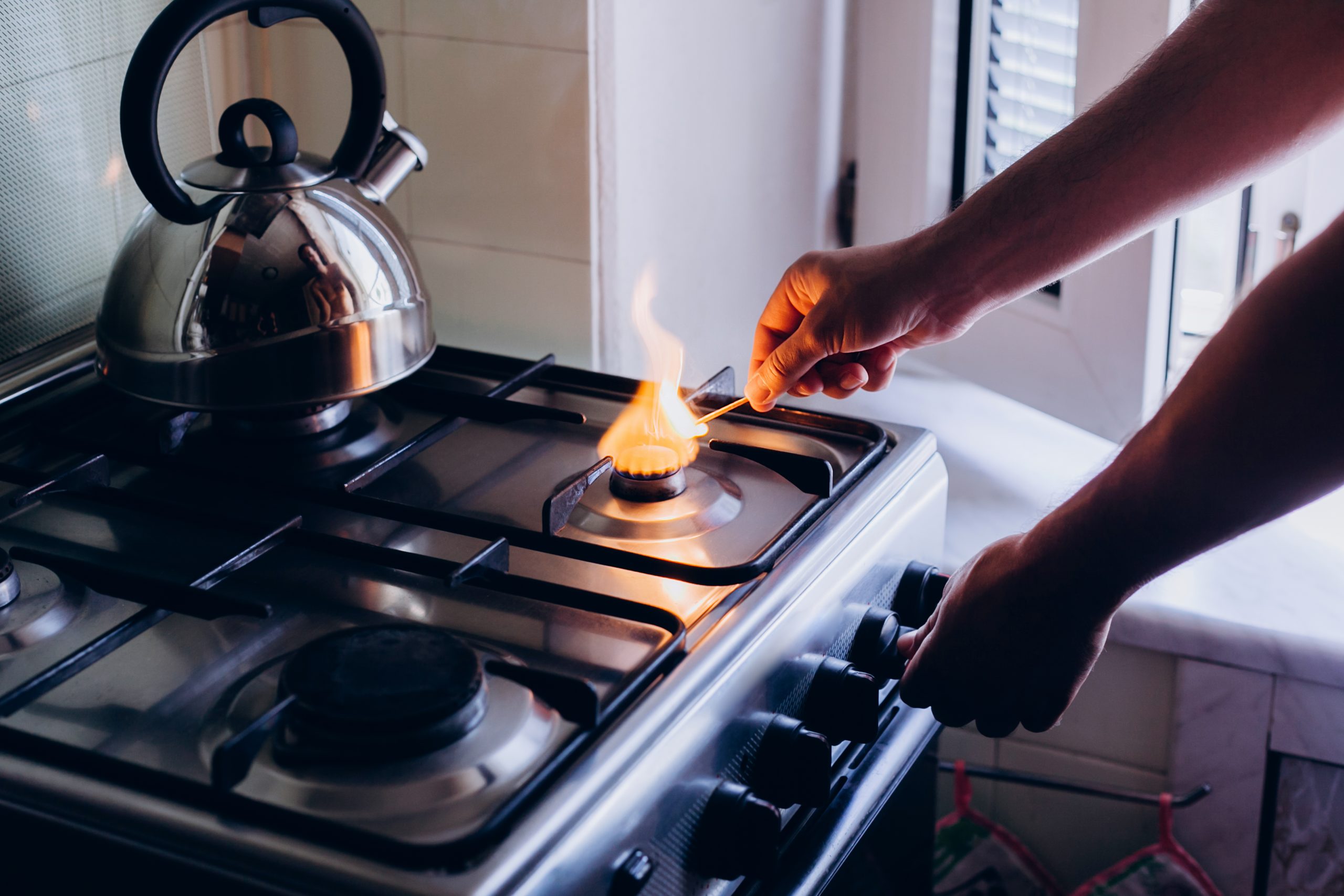
Maryland’s fire code requires every apartment landlord to install and maintain a working, hardwired smoke alarm, and the reason comes down to one number. The U.S. Fire Administration’s most recent Topical Fire Report found that cooking equipment causes 74 percent of multifamily residential fires, more than any other cause tracked. That’s why the law doesn’t leave the smoke alarm requirement vague. Public Safety Section 9-102 makes a working alarm mandatory in every dwelling, and Section 9-104 spells out exactly how it has to function once it’s installed.
Handing you a smoke alarm at move-in doesn’t end your landlord’s legal obligation to you.
Alarms Must Be Placed in Every Sleeping Area and on Every Level
A single alarm in the hallway doesn’t meet the standard. Section 9-102 requires an alarm in every sleeping area, plus at least one on every level of the unit. That placement matters, since a fire in the kitchen still has to reach you if you’re asleep two rooms away. Smoke moves through hallways faster than most people expect, and a delay of even a minute or two can determine the outcome of an apartment fire.
Apartment Alarms Must Be Hardwired, Not Battery-Only
Under Section 9-104, smoke alarms in apartment buildings built since 1990 have to be AC-powered, wired directly into the building’s electrical system rather than running on batteries alone. Most units add battery backup for power outages, but the primary source still can’t be a battery a tenant might simply forget to replace. That’s the landlord’s responsibility to install and maintain, not something a renter is left to retrofit on their own.
What Does the Law Require From You as a Tenant?
Maryland requires tenants to test their smoke alarms regularly and report any problem to their landlord in writing. That duty commences the moment a landlord installs a working alarm.
A chirping alarm is a legal notice waiting to happen, and Maryland gives you a specific way to send it.
Test Your Alarms and Report Problems in Writing
Under Section 9-106, if your alarm stops working or shows any sign of failure, notify your landlord in writing. A text message or email works, as long as it’s dated and specific about the problem you’re reporting. Verbal notice given in passing doesn’t start the clock the way written notice officially does. Written notice is what protects you if the issue drags on longer than it should.
Never Remove or Disable a Smoke Alarm
Pulling the battery to stop a 2 a.m. chirp isn’t a legitimate workaround, and neither is taking the alarm off the ceiling entirely. Both directly violate the same law that requires the alarm to be there in the first place. If a low battery or a malfunction is the underlying issue, report it in writing, and ask for a replacement instead of disconnecting the unit.
What Happens If Your Landlord Doesn’t Fix a Reported Problem?
If a landlord doesn’t respond within five days, a tenant can pursue rent escrow through the courts. Reporting a problem only matters because Maryland built a real deadline directly into the statute.
Five days is the number that turns a maintenance request into a legal obligation.
Landlords Have 5 Days to Respond in Writing
Once you’ve given written notice under Section 9-106, your landlord has five calendar days to acknowledge the problem, and in that window also has to repair or replace the alarm. That deadline exists because a broken smoke alarm isn’t a normal maintenance item, unlike a leaky faucet. It’s a life-safety system, and Maryland treats the response time accordingly.
Rent Escrow Lets You Take the Issue to Court
If five days pass with no action, Real Property Section 8-211 gives you a formal option. You can pay your rent into a court-supervised escrow account instead of paying your landlord directly. A judge can then authorize the repair, or release the funds, once the landlord resolves the problem, creating real leverage behind a request that’s already gone unanswered once. If you’re unsure whether a delayed repair has reached that point, start with our guide. It covers when to call our non-emergency line for exactly this kind of judgment call. Our crews can help you determine whether a situation needs immediate attention or a documented follow-up instead.
How Do You Build an Escape Plan for Apartment Living?
Building an apartment escape plan means mapping two exits and picking a fixed meeting spot outside the building. Homeowner escape plans assume you control every exit, and apartment living rarely works that way.
A plan built for a single-family home will send you down a hallway that isn’t actually yours to control.
Map Two Ways Out, Since You Don’t Control Shared Hallways
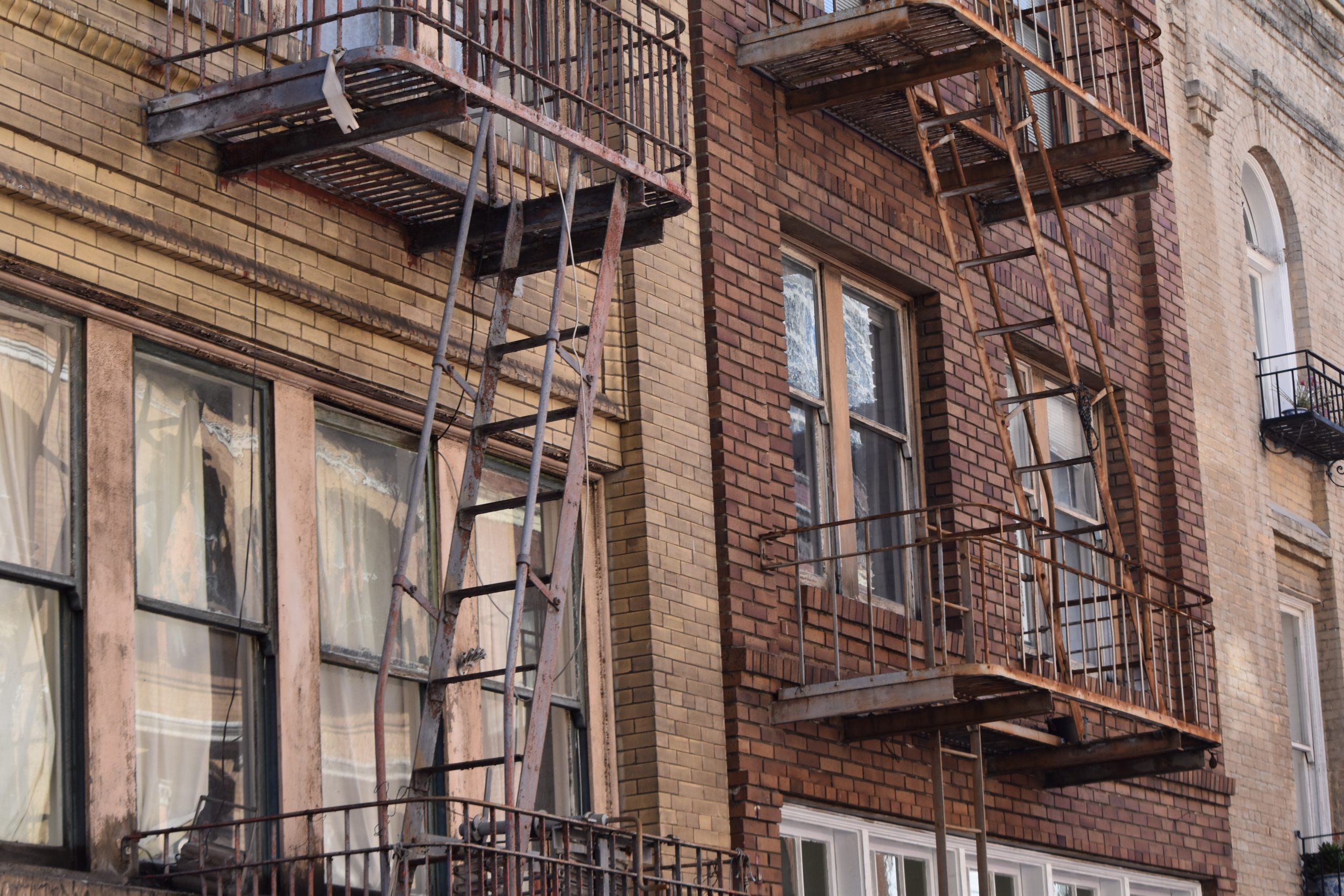
Know your primary exit, and pick a backup too. That backup might be a second stairwell, a fire escape, or a shared hallway through a neighboring unit. Confirm your building actually permits that route before you count on it. If your building has interior hallways, count the doors between your unit and the nearest stairwell. Practice it in the dark, since smoke significantly cuts visibility, faster than most people expect. Our guide to getting Carroll County ready for Fire Prevention Week covers broader, more comprehensive home fire-safety habits for renters and owners alike, including how to practice a plan with everyone in your household.
Choose a Meeting Spot Away From the Building
Pick a specific, fixed location outside, not just the front door, and make absolutely certain everyone in your unit knows it. A mailbox cluster, a specific tree, or a neighboring building’s parking lot all work. Just make certain the spot stays clear of active firefighting operations while responders are on scene. It should also be close enough that responders can account for everyone efficiently.
Fire Safety in Your Apartment Starts With Reese
Maryland law puts real obligations on your landlord, and a matching set on you. Neither half works without the other. A hardwired alarm your landlord installed still needs you to test it regularly. A written notice you send still needs a landlord who responds within five days, and rent escrow only matters once you’ve documented the problem in writing.
The volunteer and career members who staff Station 9 respond to apartment fires across Carroll County. Most of what we see traces back to one of two gaps covered above. Either a tenant disabled an alarm instead of reporting it, or someone constructed an escape plan around a blocked exit. If you have questions about your building or your rights, get in touch with Reese directly. That includes anything you’re seeing in your unit right now that doesn’t feel right. We’d rather help you sort it out before it becomes an emergency.